
Can’t pay your taxes? How to set up a CRA payment arrangement in 2026.
May 2, 2024|Updated: April 17, 2026
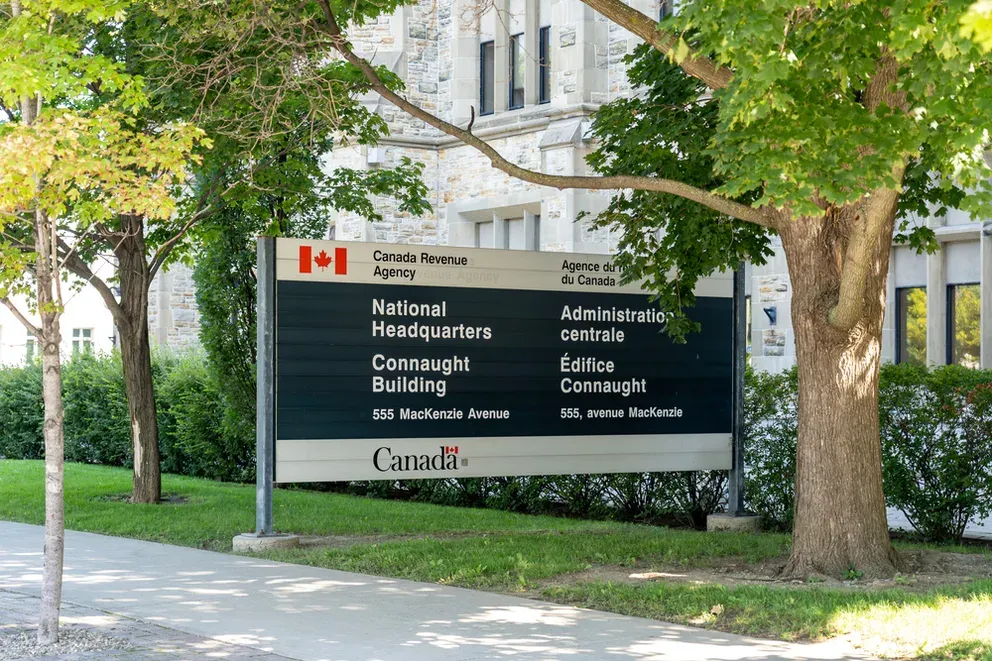
Falling behind on your taxes can feel overwhelming – especially if you’re facing an unexpected balance owing. The good news? If you can’t pay your taxes in full, the Canada Revenue Agency (CRA) offers payment arrangements that can help ease the financial pressure.
In this guide, we’ll walk you through how a CRA payment arrangement works in 2026, how to prepare, and what to expect along the way, so you can take control of your financial health with confidence.
The golden rule: File first, pay later.
The biggest mistake you can make is waiting to file because you can’t pay. If you file after April 30, the CRA hits you with an automatic 5% late-filing penalty on your balance, plus 1% for every month you're late. File your return on time even if you owe money to avoid this unnecessary cost.
If you or your spouse have self-employed income on your tax return, the late-filing penalty isn't applied until June 16.
Table of contents:
- What’s a CRA payment arrangement?
- Checklist: What to have ready before you apply.
- When should you set up a CRA payment arrangement?
- How to set up a CRA Payment Arrangement.
- How much interest does the CRA charge?
- Can you pay the CRA with a credit card?
- What happens if you miss payments?
- Frequently asked questions.
What’s a CRA payment arrangement?
A CRA payment arrangement is a formal agreement where the CRA allows you to pay your tax debt over a set period through smaller, manageable payments. It’s designed for Canadians who are temporarily unable to pay in full but want to stay in good standing.
Important to know: A payment arrangement doesn’t eliminate interest, but it can help you avoid more serious collection actions such as wage garnishments or bank account freezes.
Checklist: What to have ready before you apply.
Whether you apply online or over the phone, have these details at your fingertips to make the process smoother:
- Your Social Insurance Number (SIN).
- Your most recent Notice of Assessment (NOA).
- A simple monthly budget: Know your total income vs. essential expenses (rent, groceries, utilities).
- A proposed amount: Be ready to suggest exactly how much you can afford to pay each month.
When should you set up a CRA payment arrangement?
You should consider a CRA payment plan if:
- You can’t afford to pay your tax bill by the April 30 deadline.
- Life happened – job loss, medical expenses, or the rising cost of living has impacted your cash flow.
- You can pay your balance over 6 to 24 months, but not all at once.
How to set up a CRA payment arrangement in 2026.
There are three main ways to request an arrangement:
1. Set up a payment arrangement online.
If you’re registered for CRA My Account, you can often set up a Pre-authorized Debit (PAD) agreement. This is best for smaller balances and straightforward repayment terms.
- The benefit: No need to speak with an agent; approval is often instant if your proposal meets CRA's standard criteria.
2. Call the CRA.
If you aren't registered for CRA My Account or have a unique financial situation, you can set up your arrangement over the phone. Depending on your needs, you can choose between the automated system or a live agent:
Automated TeleArrangement Service: 1-866-256-1147
- Best for: Setting up a simple payment plan quickly, especially if you don’t have a CRA My Account. You won't have to wait on hold for an agent.
- Hours: Monday to Friday, 7 a.m. to 10 p.m. (ET).
Debt Management Call Centre (speak to an agent): 1-888-863-8657
- Best for: More complex situations, significant tax debt, or if you need to explain financial hardship to a human.
- Hours: Monday to Friday, 8 a.m. to 8 p.m. (ET).
- Note: Be prepared for a financial disclosure conversation. An agent will likely ask for details about your income, monthly expenses, and assets to ensure your proposed plan is realistic for both you and the CRA.
3. Work with a Tax Expert.
If the thought of contacting the CRA causes anxiety, you don’t have to navigate it alone. An H&R Block Tax Expert can review your financial situation, ensure your return is filed accurately to help minimize what you owe, estimate any interest that may apply so you can plan ahead, and assist in drafting a repayment proposal that the CRA is more likely to accept.
How much interest does the CRA charge?
Even with a payment plan in place, the CRA is required by law to charge interest on any outstanding tax debt.
- Current rate: For the period of April 1 to June 30, 2026, the CRA interest rate on overdue taxes is 7%.
- Daily compounding: Unlike a standard loan where interest might be calculated monthly, the CRA calculates interest every single day on your remaining balance. This means the interest itself begins to earn interest immediately.
- Quarterly adjustments: The rate is reviewed every three months based on current economic conditions. It has remained steady at 7% for the past year, but it can fluctuate.
The real cost of waiting (example):
To put this into perspective, if you owe $5,000 in taxes:
- At a 7% annual rate, you’ll accrue approximately $363 in interest over a full year.
- However, if you also file late, you’ll be hit with an immediate 5% penalty ($250) plus an additional 1% penalty ($50) for every month you’re late.
Pro tip: Pay as much as you can, as often as you can. Any extra payments you make outside of your scheduled arrangement will go directly toward the principal balance, reducing the total amount of daily interest you’ll pay over the life of your plan.
Can you pay the CRA with a credit card?
The CRA doesn’t accept credit cards directly, but you can use third-party services.
Pros: Great for short-term cash flow if you’re only a few hundred dollars short.
Cons: These services charge a convenience fee (usually 2% to 2.5%), and your credit card interest rate is likely much higher than the CRA’s interest rate. Use this option cautiously.
What happens if you miss payments?
If you miss a payment, the CRA may cancel the agreement and resume collection actions immediately.
Pro-tip: If you know you’re going to miss a payment due to an emergency, call the CRA before it happens. They’re much more likely to adjust your plan if you’re proactive rather than waiting for them to find the missed payment.
Frequently asked questions.
Need help navigating the CRA?
You don’t have to figure this out alone. H&R Block Tax Experts are here to help you file correctly, understand your options, and communicate with the CRA confidently.
Find an office near you, we’re open year-round.